
Understanding Human Trafficking
Human trafficking happens when someone is recruited, moved, or held through force, threats, deception, or abuse of power for the purpose of exploiting them. It doesn't require chains or a kidnapping. It can look like a job offer that turns into unpaid, forced labour, or a marriage arranged under pressure a woman never truly agreed to.
Uganda's Prevention of Trafficking in Persons Act defines it more precisely: the recruitment, transportation, transfer, harboring, or receipt of persons, by means of the threat or use of force or other forms of coercion, of abduction, fraud, of deception, of the abuse of power or of a position of vulnerability or of the giving or receiving of payments or benefits to achieve the consent of a person having control over another person, for the purpose of exploitation.
Forced labour
Being made to work under threat, with no real choice.
Sexual exploitation
Being forced or coerced into sexual acts for someone else's profit.
Forced marriage
Being married without full, free consent, often under pressure.
Harmful child labour
Work that endangers a child's health, safety, or development.
Debt bondage
Working to repay a debt that never seems to end.
Slavery or practices similar to slavery
Being owned or controlled by another person, with no freedom.
Trafficking does not have to involve crossing an international border. It can occur within Uganda as well as across borders, and Uganda's legal framework criminalises trafficking in persons and provides for prevention, prosecution, and protection of victims.
Debunking Human Trafficking Myths
Misconceptions about trafficking can make it harder to recognise and respond to. Here is what the evidence actually shows.
Trafficking always involves physical restraint.
A person does not have to be chained, locked up or physically restrained to be trafficked. Traffickers may use threats, deception, psychological control, abuse of vulnerability, debt, confiscation of documents or threats against family members.
Trafficking only happens when someone crosses a border.
Trafficking can happen within a country or across international borders. A person does not have to be transported internationally for their situation to constitute trafficking.
Trafficking is the same as migrant smuggling.
They are different crimes. Migrant smuggling generally involves facilitating a person's illegal entry into another country. Human trafficking involves exploitation and can occur without crossing an international border. A situation involving smuggling can later become trafficking if the person is subjected to exploitation.
Only women and girls are trafficked.
Men and boys can also be victims of trafficking, including trafficking for labour and sexual exploitation.
Trafficking in Uganda: The Reality
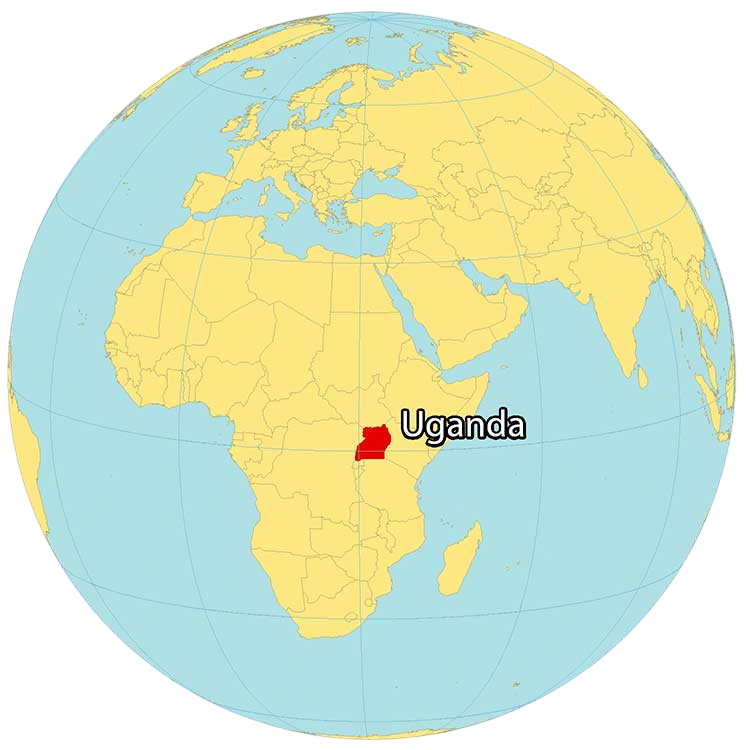
Trafficking isn’t happening somewhere else. It’s happening here, in Ugandan homes, towns, and workplaces, and across our borders.
Trafficking takes many forms in Uganda. Some women and children are exploited within the country, in domestic work, on the streets, or in informal jobs. Others are taken abroad on the promise of a better life. The figures below show what authorities have been able to detect. Because trafficking is built to stay hidden, they are a floor, not a ceiling.
2,099 trafficking victims were detected in Uganda (2022)
Source: Uganda Police Force Annual Crime Reports, as reported in UNODC, Global Report on Trafficking in Persons 2024.
Understanding Vulnerability in Uganda
Trafficking thrives where opportunity is scarce. Economic hardship, limited access to decent work, school dropout, and gender inequality can make promises of a job, an education, or a better life hard to turn down, whether in Uganda or abroad.
Young people looking for work in cities like Kampala, women with few livelihood options, and communities affected by displacement or insecurity face the highest risks. Traffickers exploit this through false job offers, deceptive recruitment, forced labour, exploitative domestic work, and sexual exploitation, often through informal networks or people who seem trustworthy. Without reliable information about safe work, safe migration, or where to report abuse, the risks grow.
Awareness alone isn't enough. Prevention means access to quality education, decent livelihoods, safe recruitment, community protection, and support for those affected.
Vulnerability is not a personal failing, and exploitation is never the victim's fault. When people have real choices and real opportunities, safer futures are possible.
Recognising the Signs of Human Trafficking
Human trafficking is not always easy to recognise. In Uganda, exploitation can occur in homes, workplaces, farms, fishing communities, urban centres and situations involving recruitment for work abroad. Warning signs may include:
- Deceptive job offers
- Withheld wages or identity documents
- Restricted movement
- Excessive working hours
- Isolation from family
Children may also be exploited through forced begging, hazardous labour or sexual exploitation. While no single sign confirms trafficking, a combination of these indicators may suggest that someone is being exploited or controlled.
The Legal Framework
Uganda's Prevention of Trafficking in Persons Act, 2009, provides a legal framework addressing trafficking, prosecuting offences and protecting and supporting people affected by trafficking.
Prevention of Trafficking in Persons Act, 2009
The Prevention of Trafficking in Persons Act provides Uganda's legal framework for:
- Sets penalties for traffickers. Trafficking in persons carries a prison term of fifteen years.
- Treats crimes against children more severely. This is punishable by life imprisonment.
- Protects victims. The Act includes provisions on a duty to report trafficking,
- Creates a national office. The Prevention of Trafficking in Persons Office leads response
The law recognizes trafficking as a serious violation of human rights and provides mechanisms for survivor protection and justice.
Beyond Rescue: What Comes Next?
Leaving an exploitative situation can be a critical first step toward safety. But rebuilding a life afterwards can take time.
A survivor may need support to recover from trauma, rebuild relationships, develop skills, regain economic stability, access healthcare and education, and establish a safe and independent future.
The journey does not end when a woman leaves trafficking. It continues through:
Our work sits within this longer journey.
See Our Work
Where to Turn for Help
If you or someone you know needs support, these organisations can help.